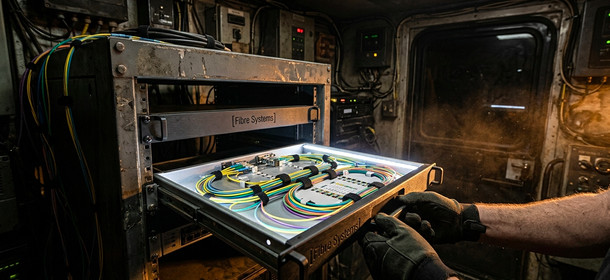
Field operations increasingly rely on high-bandwidth, low-latency communications for command coordination, data transfer, and real-time situational awareness. Defence missions, emergency response operations, and large temporary events need network infrastructure that can be deployed quickly and perform reliably under challenging conditions. It should also be easy to dismantle and reusable without compromising performance. In these scenarios, defence optical fibre systems act as a critical communications backbone, delivering secure, high-speed connectivity wherever it’s needed.
This guide shows how to deploy temporary fibre optic networks for field operations using proven best practices. It highlights portable infrastructure, rugged components, and strategic deployment methods to minimise setup time while ensuring operational safety and reliability.
Understanding Rapid-Deployment Fibre Networks in Field Operations
Rapid-deployment fibre networks are built to support temporary operations when permanent infrastructure isn’t available or practical. They are designed to perform reliably, even in unpredictable environmental and operational conditions.
Why Defence Optical Fibre Systems Are Essential in the Field
Defence optical fibre systems are designed for environments where traditional networking solutions fall short. Field deployments often contend with uneven terrain, dust and moisture, frequent handling, and the need for rapid setup. Fibre systems deliver the bandwidth required for video, data, and secure communications while resisting electromagnetic interference.
Unlike copper solutions, fibre enables long-distance connectivity without signal loss, making it ideal for dispersed field operations. This reliability ensures that communication links remain stable even as operational needs evolve.
Temporary Networks Versus Permanent Infrastructure
Temporary fibre networks are very different from permanent installations. They need to be lightweight, modular, and easy to transport, while still providing enterprise-level performance. Components such as portable fibre reels and plug-and-play fibre systems allow teams to set up networks quickly without special tools or extensive technical expertise.
Defence cable and military cable products used in these deployments are built for repeated use, letting organisations redeploy assets across multiple operations without compromising performance.
Planning a Temporary Fibre Optic Network for Field Deployment
Successful field deployments begin with careful planning that takes into account operational goals, environmental challenges, and logistical constraints. Being well-prepared reduces setup time and helps prevent performance issues once the network is up and running.
Assessing Operational Requirements and Site Conditions
Before deployment, teams should evaluate the operational scope, required bandwidth, and the physical layout of the field environment. Factors such as terrain, distance between nodes, and potential hazards affect cable routing and protection strategies. Rugged fibre optic cable is especially valuable in areas where cables may face wear, crushing, or exposure to the elements.
Addressing these factors early helps minimise delays and prevents performance issues during deployment.
Selecting the Right Defence Cable and Components
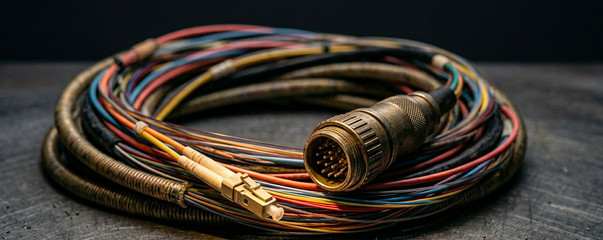
Selecting the right defence cable and connectors is essential for keeping networks reliable in the field. Military cable solutions are built to withstand frequent handling, extreme temperatures, and physical stress. When combined with rugged fibre optic connectors, these systems allow quick connections and disconnections without sacrificing signal quality.
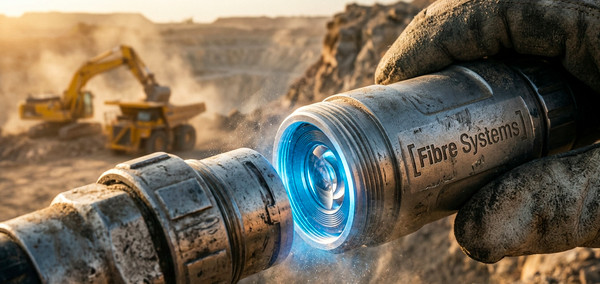
Expanded beam fibre technology is especially effective in field environments where dust, dirt, and moisture are concerns. Expanded beam connectors reduce sensitivity to contaminants, enhancing reliability even with frequent connections and disconnections.
Deploying Portable Fibre Reels and Quick-Deploy Connectivity
In field environments, the speed of deployment often determines success, as communications need to be up and running quickly. Portable fibre infrastructure should enable fast setup while protecting the fibre during installation, use, and retrieval. Thoughtful deployment strategies help cut setup time while ensuring the network continues to perform reliably throughout the mission.
Using Portable Fibre Reels for Fast Setup
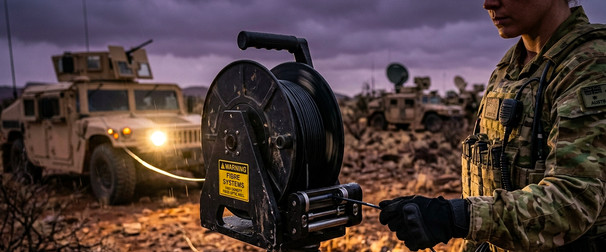
Portable fibre reels make it easier to deploy and retrieve fibre cables in a controlled way, reducing the risk of tangling or damage. They allow for fast rollout across different terrains while maintaining proper bend radii to protect the fibre’s integrity. When paired with rugged fibre optic cable, portable reels let teams set up connectivity quickly without compromising long-term usability.
Taking proper care during deployment ensures that fibre assemblies remain ready for reuse in future operations.
Implementing Plug-and-Play Fibre Systems
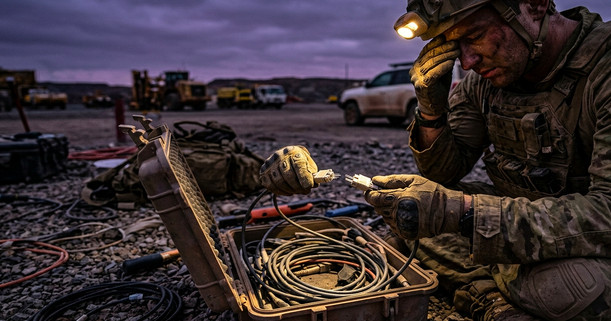
Plug-and-play fibre systems simplify deployment by eliminating the need for on-site termination. Pre-terminated assemblies with rugged fibre optic connectors allow field teams to establish links quickly, even under tight deadlines. These systems speed up setup and reduce the risk of human error—critical in high-stakes situations.
Expanded beam connectors take plug-and-play deployments a step further, maintaining performance in dusty or wet conditions, making them ideal for tactical field operations.
Field Cable Management and Environmental Protection
Good cable management is essential for safety, reliable network performance, and uninterrupted operations during temporary fibre deployments. Poorly managed cabling increases the risk of physical damage, signal loss, and accidental disconnections in dynamic field conditions.
Managing Fibre Routing in Dynamic Environments
Field cable management involves routing fibre to keep it clear of foot traffic, vehicles, and equipment. Well-planned pathways help prevent accidental damage and keep personnel safe. While rugged fibre optic cable provides extra protection, careful routing remains essential.
Using temporary markers and protective covers makes cables more visible and helps avoid unintentional interference.
Protecting Fibre Against Environmental Hazards
Environmental protection is a major concern in field operations. Rain, dust, temperature fluctuations, and UV exposure can all affect network performance. Military cable and defence cable products are built with protective jackets and reinforcements to withstand these challenges.
Expanded beam fibre technology further enhances environmental resistance by making connectors less sensitive to contaminants. This ensures reliable communications even in tough conditions.
Testing Fibre Networks in the Field
Testing fibre networks in field conditions is essential to ensure reliable communications before the systems go live. Temporary deployments often operate under pressure, so early validation is key to preventing mission disruptions. Thorough testing confirms that fibre links perform consistently, even under challenging environmental and operational conditions.
Verifying Connectivity and Signal Integrity
Field testing should verify continuity, signal strength, and overall network performance. Portable testing equipment lets teams check fibre links quickly without slowing down operations. Detecting issues early helps prevent downtime during critical mission phases.
Rugged fibre optic connectors and expanded beam connectors make testing easier by maintaining stable connections, even with frequent handling.
Ensuring Readiness for Operational Use
Testing should be conducted under conditions that reflect real operational loads. This ensures the network can handle the expected data volumes and usage patterns. Reliable testing practices help build confidence in defence optical fibre systems deployed in the field.
Maintaining Deployable Fibre Systems During Operations
Maintaining fibre systems during deployment helps keep network performance stable throughout operations. Field conditions constantly put stress on infrastructure, so proactive maintenance is essential. Well-cared-for fibre assets reduce the risk of unexpected failures and extend the system’s useful life.
Routine Inspection and Cleaning Practices
Regularly inspecting fibre cables and connectors helps identify wear or contamination before it impacts performance. Expanded beam connectors reduce the need for cleaning, but visual checks are still important. Simple maintenance routines can extend the usable life of deployable fibre assets.
Keeping clear records of cable routes and connection points also makes troubleshooting faster and easier.
Managing Repairs and Adjustments in the Field
Field operations often require adjustments as conditions change. Modular designs and rugged fibre optic connectors allow teams to reconfigure networks quickly without special tools. This flexibility meets evolving operational needs while maintaining stable network performance.
Reuse and Lifecycle Management of Fibre Assemblies
Deployable fibre networks are built for repeated use across multiple operations, making lifecycle planning crucial. Systems that are easy to redeploy deliver greater operational value over time. Proper lifecycle management keeps networks ready for use without adding complexity to maintenance.
Designing for Repeated Deployment Cycles
Rugged fibre optic cable and military cable solutions are built for repeated deployment and retrieval. Careful handling, storage, and maintenance keep fibre assemblies reliable across multiple use cycles. Reusing these assets reduces long-term costs while maintaining consistent performance.
Expanded beam fibre systems are especially well-suited for reuse, handling frequent connections and disconnections without a noticeable drop in performance.
Long-Term Value of Defence Optical Fibre Systems
Investing in high-quality defence optical fibre systems delivers long-term benefits by supporting a wide range of operational scenarios. From defence missions to large-scale events, these systems provide flexible, high-bandwidth connectivity that can be redeployed whenever needed.
Thoughtful lifecycle planning ensures fibre assets continue to meet operational requirements while maximising return on investment.
Safety and Reliability in Tactical Fibre Deployments
Safety and reliability are essential for successful tactical fibre deployments, particularly in mission-critical environments. Field operations need infrastructure that keeps personnel safe while ensuring uninterrupted communications. Fibre systems must perform consistently without creating additional operational risks.
Minimising Risks During Installation and Operation
Safe deployment practices include clear cable routing, secure anchoring, and attention to environmental hazards. Defence cable products made for field use help reduce the risks of cable damage or exposure. Training field teams on proper handling further enhances operational safety.
Reliable fibre infrastructure supports mission success by lowering the likelihood of communication failures during critical moments.
Ensuring Mission-Critical Network Availability
Reliability is the key requirement for tactical fibre deployments. Redundant routing, strong connectors, and careful maintenance all contribute to uninterrupted connectivity. Defence optical fibre systems deliver the performance and resilience needed for mission-critical communications in demanding environments.
Conclusion
Rapid-deployment fibre optic networks are crucial in modern field operations where speed, reliability, and safety matter. Defence optical fibre systems allow organisations to set up temporary high-bandwidth communications quickly while keeping performance in tough and unpredictable conditions.
By using portable fibre reels, tough fibre optic cables, military cable solutions, and expanded beam connectors, field-operation teams can reduce setup time without losing network quality. Careful planning, consistent deployment practices, and regular maintenance help ensure that these systems stay reliable during operations and are ready for future use.
If you are planning a field deployment or need guidance on selecting the right defence optical fibre systems, contact us to discuss your operational requirements and deployment challenges.
For defence contractors, event managers, and field teams, a well-run temporary fibre optic network is more than just a technical tool. It is a strategic asset that supports success, flexibility, and long-term reliability in the field.
FAQs
1. Why are defence optical fibre systems essential for rapid field deployment?
Defence optical fibre systems are designed for fast setup, durability, and dependable performance in challenging environments. They provide high-bandwidth communications while withstanding physical stress, harsh conditions, and frequent redeployment, making them ideal for temporary field operations.
2. How do rugged fibre optic cables support temporary fibre networks?
Rugged fibre optic cables feature durable jackets and strain protection to withstand rough handling, uneven terrain, and repeated deployments. This durability helps maintain signal quality and reduces the risk of damage during setup and takedown.
3. What advantages do expanded beam connectors offer in field operations?
Expanded beam connectors are far less sensitive to dust, moisture, and debris than traditional fibre connectors. This makes them highly reliable in field environments where conditions are unpredictable, providing stable connections with minimal maintenance.
4. How can testing be performed efficiently in temporary fibre deployments?
Portable fibre testing equipment lets teams quickly verify connectivity, signal strength, and overall network performance in the field. Testing under real-world conditions ensures that defence optical fibre systems are fully ready for critical missions before operations begin.
5. Can deployable fibre assemblies be reused across multiple operations?
Yes, deployable fibre assemblies are designed for repeated use when handled, maintained, and stored correctly. Rugged fibre optic cables, military cable solutions, and expanded beam fibre systems can go through multiple deployment cycles while maintaining reliable performance.